


Walk onto almost any construction site, manufacturing facility, fabrication shop, or maintenance department, and you will likely see a familiar name printed across workers’ respirators: 3M.
For decades, 3M has been one of the world’s most recognized manufacturers of personal protective equipment. Its disposable filtering facepiece respirators are used to help reduce exposure to certain airborne particles encountered in construction, manufacturing, agriculture, metalworking, healthcare, and numerous other industries.
Choosing a respirator, however, involves more than finding one that fits comfortably. 3M offers N95, N100, R95, P95, P100, valved, non-valved, cup-style, flat-fold, welding, and nuisance-odor models. Each is intended for particular hazards and working conditions.
This guide explains how disposable respirator classifications work, which 3M models may be appropriate for common applications, and when a disposable particulate respirator is not the right form of protection.
Important: A respirator must be selected for the specific airborne hazard and exposure level. Always consult the product’s user instructions, your employer’s respiratory protection program, applicable regulations, and a qualified safety professional before relying on any respirator for workplace protection.
Why Choose 3M Disposable Respirators?
3M has spent decades developing respiratory protection for professional and industrial users. Its disposable respirator lineup includes basic general-purpose N95 models as well as advanced flat-fold respirators, valved respirators, welding respirators, small-size models, and products that provide relief from certain nuisance-level odors.
Today, 3M disposable respirators are used across industries such as:
- Construction and demolition
- Manufacturing
- Automotive repair and production
- Welding and metal fabrication
- Agriculture
- Mining
- Pharmaceutical production
- Food processing
- Healthcare
- Industrial maintenance
- Shipbuilding
- Woodworking
Different models offer different combinations of filtration, shape, size, headband design, faceseal construction, and heat-management features. That variety allows employers and workers to compare models and identify one that is suitable for the hazard while also fitting the individual wearer properly.
Understanding NIOSH Respirator Ratings
NIOSH-approved filtering facepiece respirators are divided into different filter series and efficiency levels. The letter identifies the filter’s resistance to oil aerosols, while the number represents its minimum filtration efficiency under NIOSH testing conditions.
N-Series Respirators
N-series filters are not resistant to oil. They are commonly selected when the workplace contains non-oil-based particles.
Depending on the exposure assessment and product approval, common applications may include:
- Woodworking and sanding
- Drywall installation and finishing
- Sweeping and dusty maintenance work
- Concrete and masonry work
- Fiberglass insulation
- Grinding
- Bagging and material handling
- General manufacturing
Popular 3M N-series models include the 3M 8210 N95 Particulate Respirator, 3M Aura respirators, 3M VFlex respirators, and several specialty N95 models.
R-Series Respirators
R-series filters are resistant to oil. NIOSH generally limits their use in atmospheres containing oil aerosols according to the manufacturer’s time-use restrictions.
These respirators may be considered for certain operations involving a mixture of particulates and oil aerosols, including some:
- Machining operations
- Metalworking processes
- Industrial maintenance tasks
- Automotive manufacturing operations
Because workplace conditions vary, the presence of oil should be identified during the hazard assessment before an R- or P-series product is selected.
P-Series Respirators
P-series filters are strongly resistant to oil. The manufacturer’s instructions should be consulted to determine applicable service-life limitations.
Depending on the model and exposure assessment, P-series respirators may be used in environments such as:
- Foundries
- Metal fabrication facilities
- Heavy manufacturing
- Operations that generate oil-based aerosols
- Certain industrial finishing processes
Examples include the 3M 8577 P95 and 3M 8271 P95 respirators. EIO also carries higher-efficiency products such as the 3M 8293 P100.
What Do 95, 99, and 100 Mean?
The number following the N, R, or P indicates the minimum filtration efficiency of the filter under NIOSH test conditions.
| Rating | Minimum Filtration Efficiency | Oil Resistance |
|---|---|---|
| N95 | At least 95% | Not resistant to oil |
| N99 | At least 99% | Not resistant to oil |
| N100 | At least 99.97% | Not resistant to oil |
| R95 | At least 95% | Resistant to oil |
| P95 | At least 95% | Strongly resistant to oil |
| P100 | At least 99.97% | Strongly resistant to oil |
A higher filtration number does not automatically mean that a respirator is correct for every job. The filter series, contaminant, concentration, assigned protection factor, fit, and other workplace conditions must also be considered.
Valved vs. Non-Valved Respirators

Another important decision is whether to choose a respirator with an exhalation valve.
Non-Valved Respirators
A non-valved filtering facepiece respirator passes both inhaled and exhaled air through the filter material. These models may be selected where an exhalation valve is not desirable or permitted.
Popular non-valved models include:
Valved Respirators
Valved respirators allow exhaled breath to exit through a one-way valve. This can help release warm, moist air and may improve comfort during physically demanding work or in hot environments.
The 3M 8210V N95, for example, features a 3M Cool Flow valve and is intended for certain non-oil-based particles.
Common applications for valved models may include:
- Outdoor construction
- Roofing
- Demolition
- Grinding
- Hot manufacturing environments
- Extended periods of dusty work
Exhalation valves are not appropriate for every environment. Follow workplace requirements when source control, sterile conditions, or other process considerations apply.
3M Disposable Respirator Comparison
| 3M Model | Rating | Valve | Notable Feature | Potential Applications* |
|---|---|---|---|---|
| 8210 | N95 | No | Classic cup-style design | Sanding, sweeping, grinding, sawing, bagging |
| 8210V | N95 | Yes | 3M Cool Flow valve | Hot or dusty work settings |
| Aura 9210+ | N95 | No | Three-panel flat-fold design | Construction, manufacturing, general particulate work |
| Aura 9211+ | N95 | Yes | Flat-fold design with comfort valve | Extended wear in certain hot or humid settings |
| VFlex 9105 | N95 | No | V-shaped pleats and flexible design | Manufacturing and general particulate applications |
| 8515 | N95 | Yes | Designed for certain welding applications | Welding, brazing, torch cutting, metal pouring |
| 8577 | P95 | Yes | Nuisance-level organic-vapor relief | Certain oil and non-oil particulates |
| 8233 | N100 | Yes | Higher filtration efficiency and faceseal | Certain high-efficiency non-oil particulate applications |
| 8293 | P100 | Yes | High-efficiency oil-resistant filtration | Certain oil and non-oil particulate environments |
*Applications are general examples only. Verify that the exact model is approved and suitable for the identified hazard, concentration, exposure conditions, and required protection factor.
Choosing a 3M Respirator by Industry and Application

Construction and Demolition
Construction workers may encounter airborne particles generated by cutting, grinding, sanding, drilling, sweeping, and demolition. Common materials include drywall compound, cement, wood, insulation, and masonry products.
Depending on the exposure assessment, frequently considered options include:
Concrete, Masonry, and Silica Dust
Cutting, drilling, grinding, or demolishing materials containing crystalline silica can generate respirable crystalline silica. This is a serious occupational hazard that requires appropriate engineering controls, work practices, exposure assessment, and respiratory protection when required.
An N95 may be appropriate for some tasks and exposure levels, but it should never be assumed to be sufficient simply because silica is present. The required respirator depends on the task, exposure level, control method, and applicable OSHA requirements.
Employers should follow the relevant OSHA silica standard and their written respiratory protection program. Higher-efficiency filters or reusable respirators may be required for some operations.
Woodworking
Sawing, routing, sanding, and sweeping can release fine wood particles into the air. Woodworkers should use effective dust collection and ventilation as the primary controls, with properly selected respiratory protection when necessary.
Potential disposable options for certain non-oil particulate exposures include the 3M 8210, 3M Aura series, and 3M VFlex series.
Fiberglass and Insulation
Cutting and installing fiberglass insulation can produce airborne fibers and dust. Several 3M N95 respirators are marketed for certain sanding, insulation, and general particulate applications.
Users should also protect their skin and eyes and follow the insulation manufacturer’s handling recommendations.
Welding and Metal Fabrication
Welding, brazing, cutting, and metal pouring can generate fumes containing extremely small particles. Welding hazards vary significantly according to the base metal, coating, consumable, process, ventilation, and confined-space conditions.
The 3M 8515 N95 Welding Particulate Respirator is designed for certain welding applications and includes features intended for use around sparks and heat.
A disposable welding respirator is not suitable for every welding exposure. Some metals, coatings, gases, confined spaces, and higher contaminant concentrations require different or greater protection.
Painting and Coating Preparation
Sanding old coatings and preparing a surface can generate airborne particles. A particulate respirator may be useful for certain sanding and preparation tasks when it is appropriate for the identified contaminants.
Spraying solvent-based paint introduces a different concern. Disposable particulate respirators do not provide protection against hazardous organic vapors simply because they are rated N95 or P95.
Tasks involving solvents, lacquers, adhesives, coatings, or chemical vapors may require a reusable respirator with properly selected cartridges—or another type of respiratory protection—based on the hazard assessment.
Agriculture
Agricultural workers may be exposed to grain dust, feed particles, animal dander, mold, and other airborne contaminants during harvesting, feeding, cleaning, and material handling.
Some N95 models may be appropriate for certain non-oil dust exposures. Pesticides, fumigants, ammonia, and other agricultural chemicals require a separate evaluation and may call for cartridges, supplied air, or other specialized protection.
Mold Remediation
Disturbing mold-contaminated material may release spores and other particles. An N95 is sometimes used for limited remediation activities, while larger or more contaminated projects may require higher-efficiency filtration, reusable respirators, additional PPE, containment, and professional remediation procedures.
The size of the affected area, material being removed, occupant risk, and applicable remediation guidance should all be considered.
Manufacturing and Industrial Maintenance
Manufacturing facilities may produce dust, metal particles, fibers, powders, oil aerosols, and process-specific contaminants. No single respirator is suitable for every production environment.
N-series respirators are generally considered where oil aerosols are absent. R- or P-series protection may be necessary where oil aerosols are present. Gases and vapors require different filtration technology.
Popular 3M Disposable Respirators
3M 8210 N95 Particulate Respirator
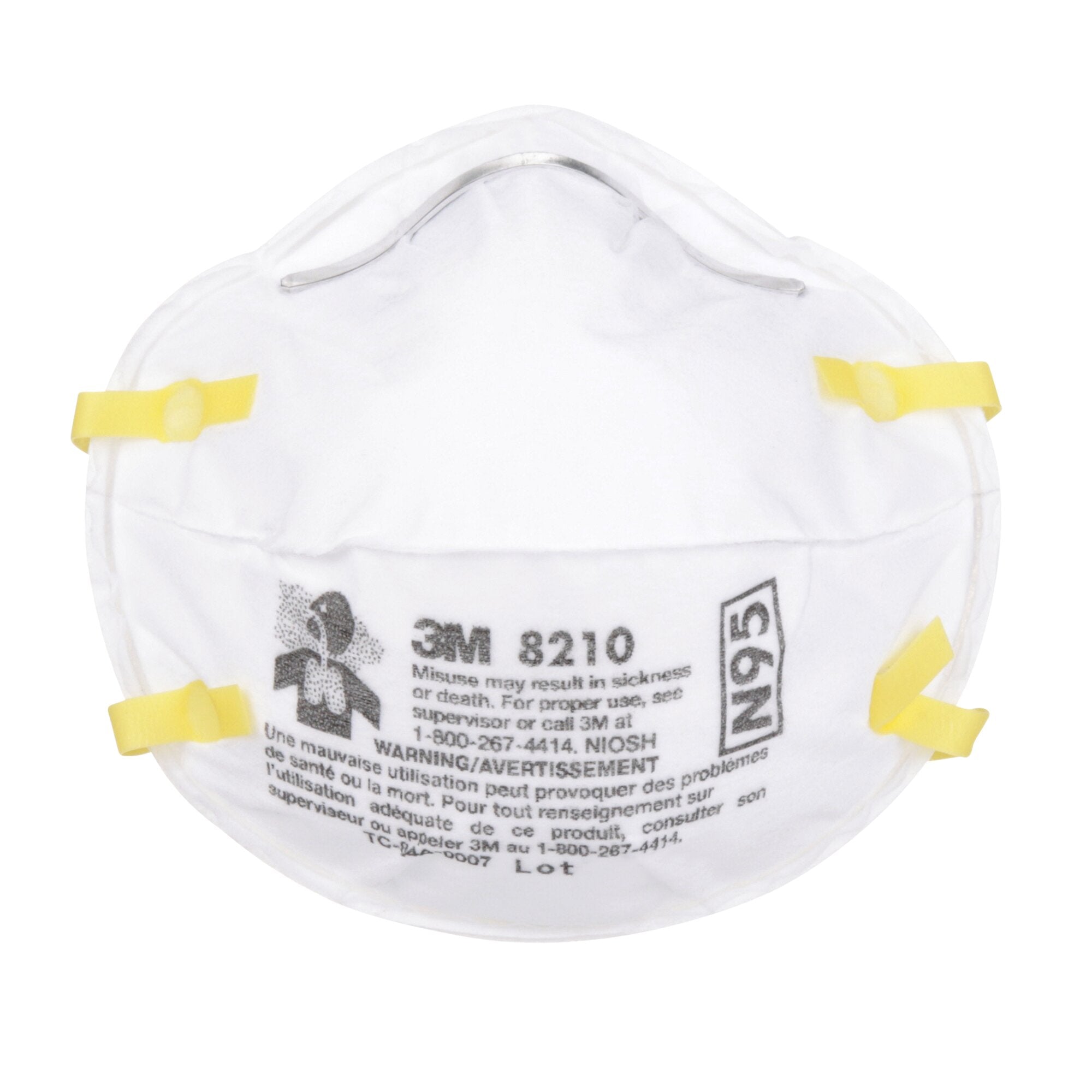
The 3M 8210 is one of the best-known disposable respirators in the company’s lineup. Its cup-style construction, adjustable nose clip, cushioning nose foam, and dual-strap design make it a common choice for certain non-oil-based particulate applications.
Potential uses include grinding, sanding, sweeping, sawing, bagging, and other dusty operations when the model is appropriate for the exposure.
3M 8210V N95 Particulate Respirator
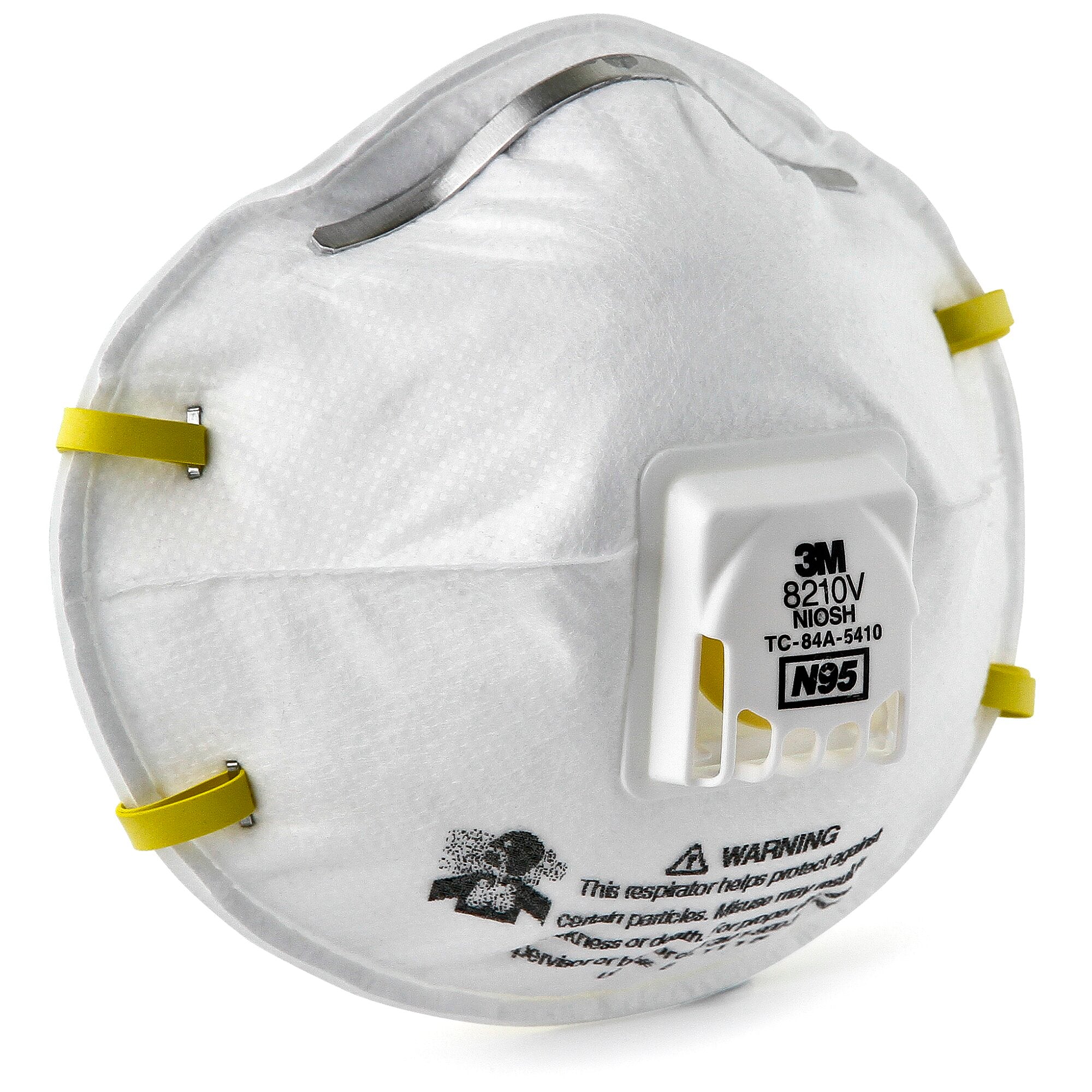
The 8210V adds a 3M Cool Flow exhalation valve to a familiar cup-style design. The valve helps release warm and moist exhaled breath, making this model worth considering for hot, dusty work settings.
3M Aura Particulate Respirators
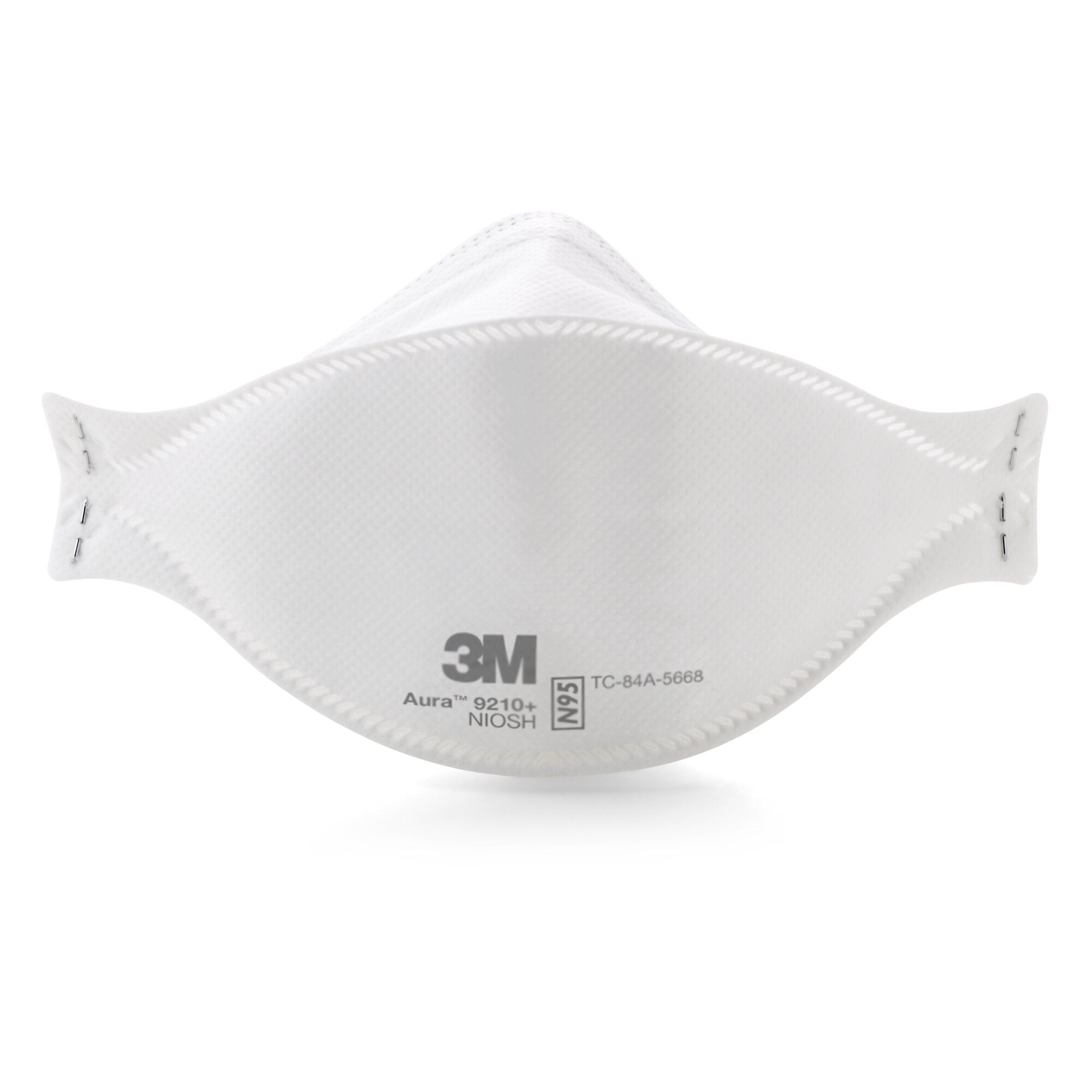
The 3M Aura family uses a three-panel, flat-fold design. Depending on the model, features may include an adjustable nose clip, low-profile shape, embossed upper panel, individual packaging, braided headbands, and a valved or non-valved configuration.
Aura respirators are frequently considered by workers who want a foldable respirator that allows greater facial movement while speaking.
3M VFlex Particulate Respirators
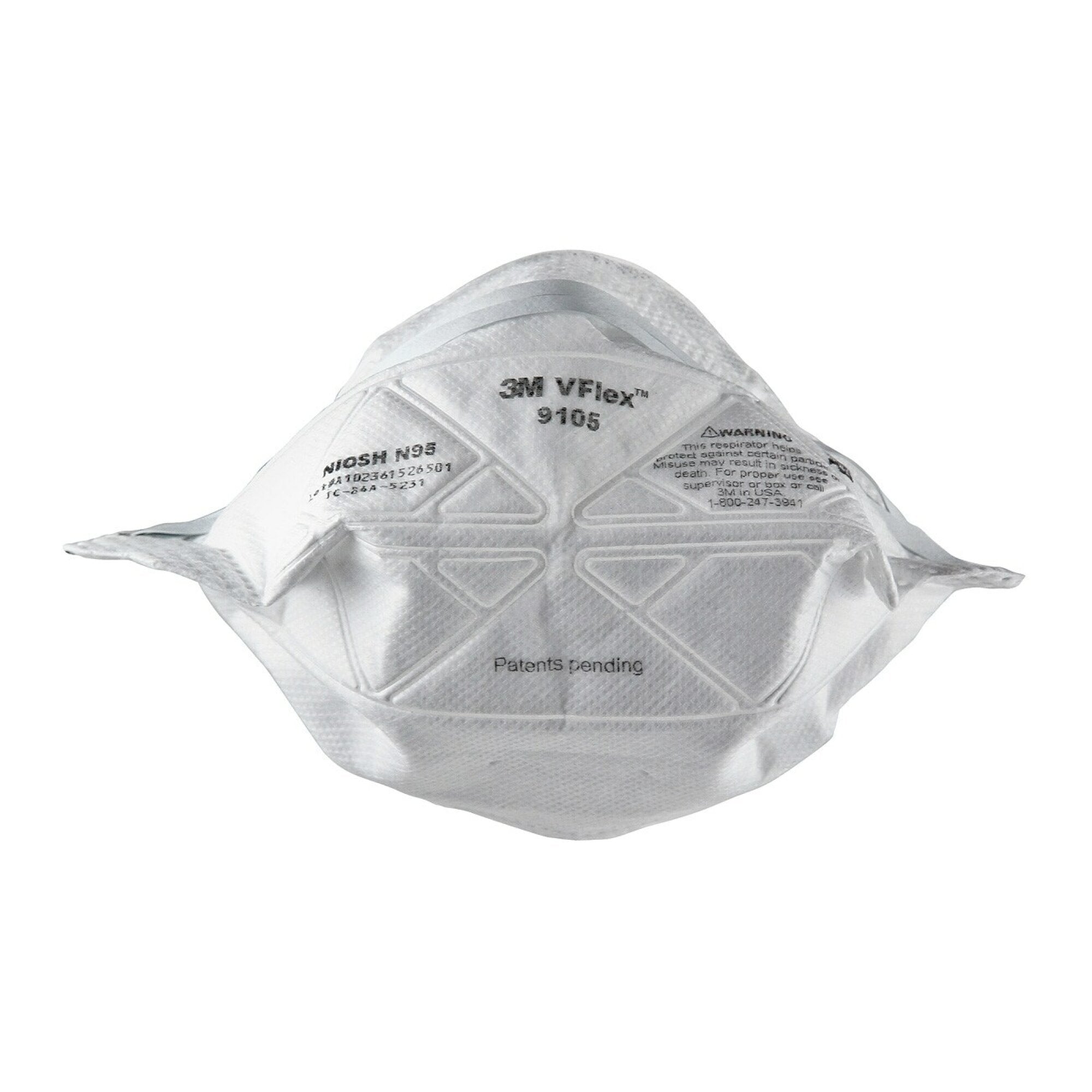
3M VFlex respirators use a pleated design that expands during breathing. The V-shaped construction is intended to flex with mouth movement and provide a spacious interior.
Standard and small sizes may be available, giving employers another option when fitting workers with different face shapes and sizes.
3M 8515 N95 Welding Particulate Respirator
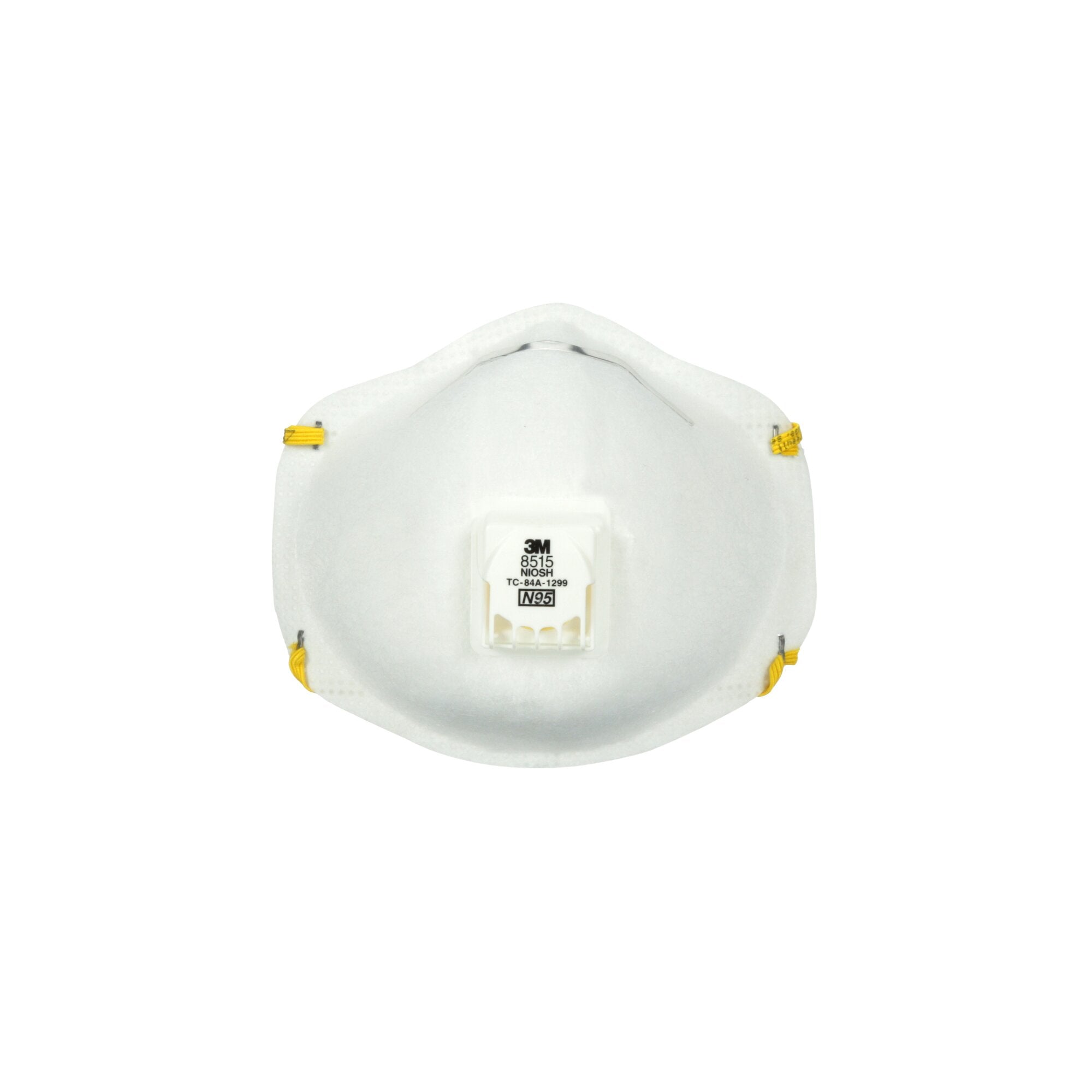
The 8515 is designed for certain welding, brazing, torch cutting, metal pouring, and soldering applications. It includes a valve and features intended for use around welding sparks.
Because welding fumes vary considerably, the 8515 should only be selected after the specific metals, coatings, process, and exposure levels have been evaluated.
3M 8577 P95 Particulate Respirator
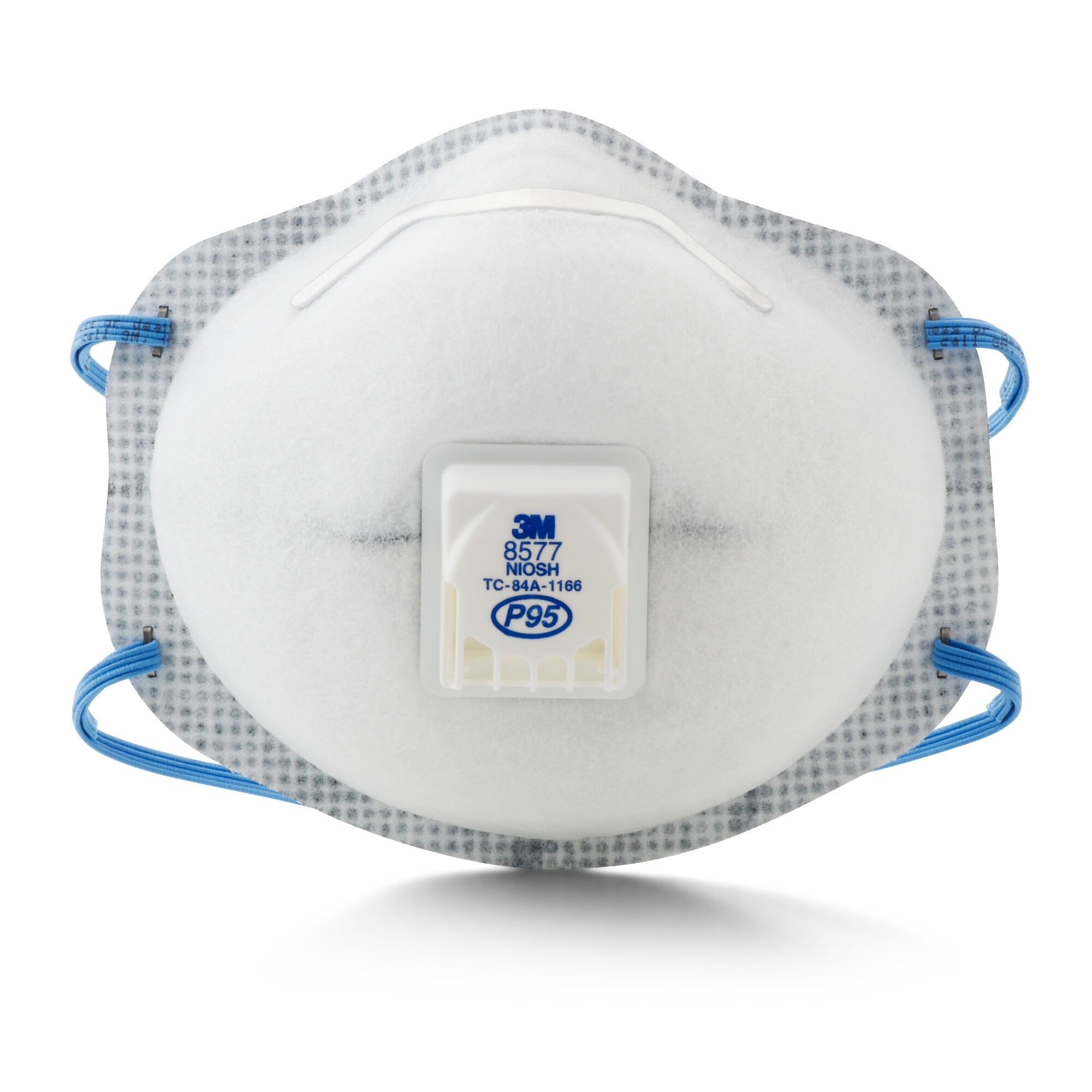
The 8577 is a P95 respirator designed for certain oil and non-oil particulates. It also provides relief from nuisance levels of organic vapors.
Nuisance-level relief is not protection against hazardous concentrations of organic vapors. Where organic vapors exceed applicable exposure limits or present another health hazard, an appropriately selected gas-and-vapor respirator or supplied-air system may be necessary.
3M 8233 N100 Particulate Respirator
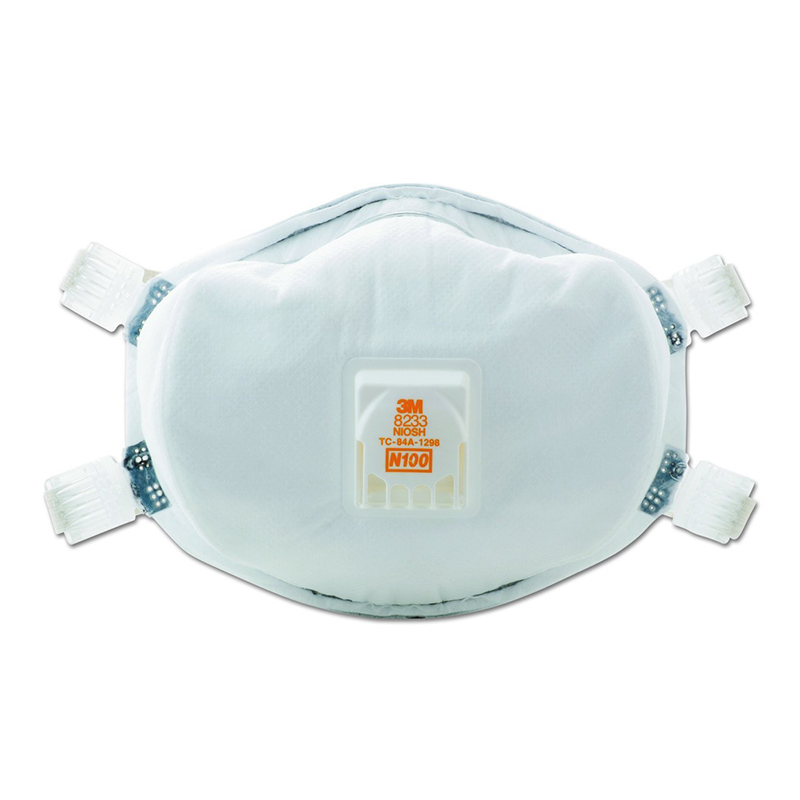
The 8233 offers N100 filtration efficiency for certain non-oil particles. It is typically selected where a higher-efficiency particulate filter is required and includes features intended to improve fit and comfort.
3M 8293 P100 Particulate Respirator
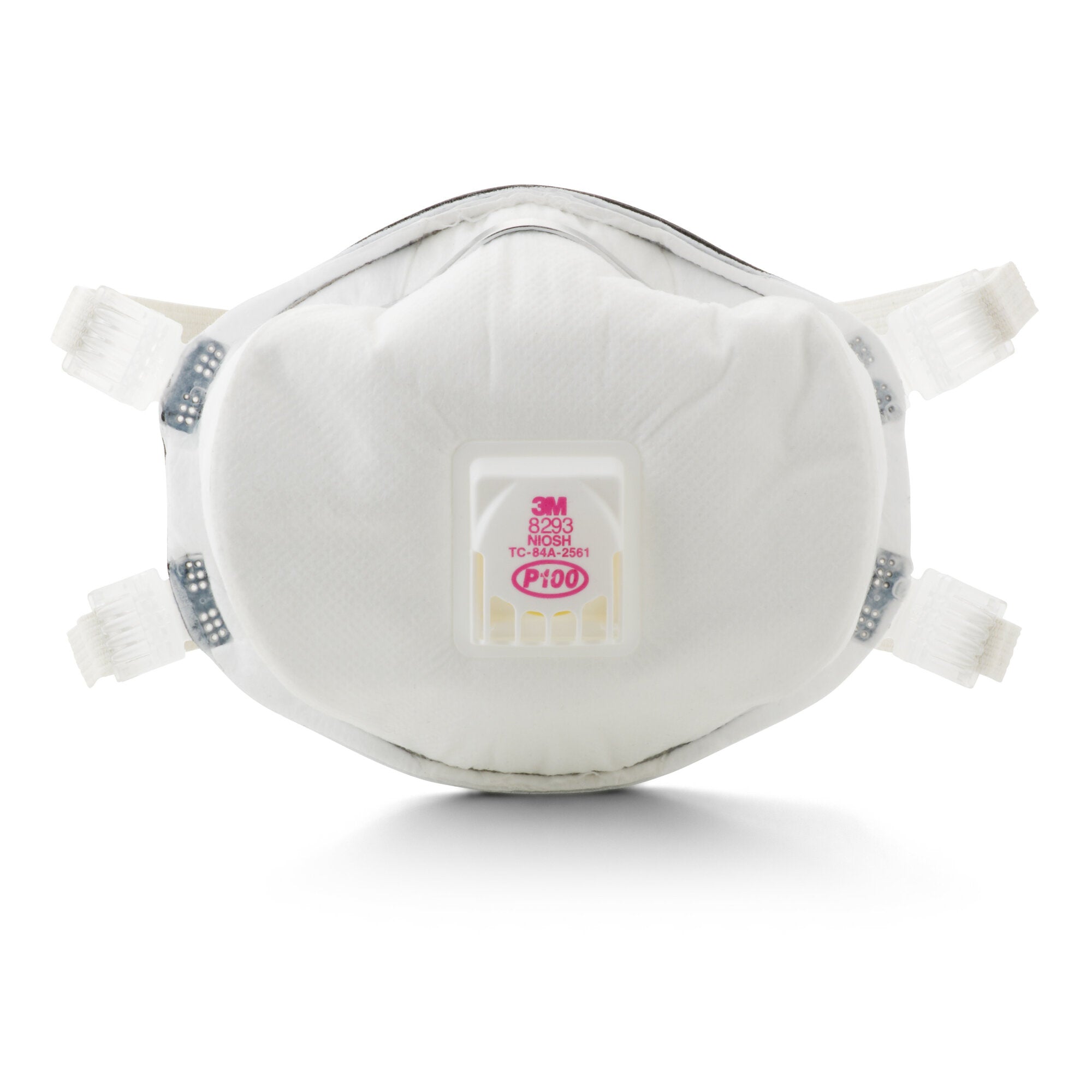
The 8293 is a P100 filtering facepiece respirator for certain oil and non-oil particles. It combines high-efficiency particulate filtration with oil resistance.
Fit Testing, Facial Hair, and User Seal Checks

Even the correct respirator cannot provide its expected protection if it does not seal properly to the wearer’s face.
When respirator use is required in the workplace, OSHA’s respiratory protection requirements may include:
- A written respiratory protection program
- A hazard evaluation and proper respirator selection
- Medical evaluation
- Fit testing
- Training
- Inspection and proper use
- A user seal check each time the respirator is worn
A fit test helps determine whether a particular make, model, style, and size can achieve an acceptable fit for an individual wearer. A user seal check is performed each time the respirator is put on to help confirm that it is seated correctly.
Facial hair, hair, jewelry, eyewear, or other objects that pass between the face and sealing surface can compromise the seal. A tight-fitting filtering facepiece respirator should not be worn when facial hair interferes with the face seal or valve function.
When Should a Disposable Respirator Be Replaced?
A disposable filtering facepiece respirator should be discarded according to its user instructions and workplace procedures.
Replacement may be necessary when:
- The respirator becomes dirty or contaminated
- It becomes wet
- It is physically damaged
- The straps are stretched or damaged
- It no longer seals properly
- Breathing becomes noticeably more difficult
- It has reached an applicable use or time limitation
- The manufacturer or employer requires replacement
Disposable does not necessarily mean that every model must be discarded after a specific number of minutes or hours. Service life depends on the product, contaminant, concentration, work rate, environmental conditions, hygiene, and manufacturer’s instructions.
How Do I Know Which Respirator I Need?
Begin by answering the following questions.
1. What airborne contaminant is present?
Identify whether the hazard is a dust, fiber, fume, mist, biological particle, gas, vapor, oil aerosol, or a combination of contaminants. A filtering facepiece respirator designed for particles will not necessarily protect against gases or vapors.
2. What is the exposure level?
Respirator selection depends on contaminant concentration as well as contaminant type. Exposure monitoring or other qualified assessment may be needed.
3. Is oil present?
If no oil aerosols are present, an N-series filter may be appropriate. If oil is present, an R- or P-series product may be necessary.
4. Is a disposable respirator adequate?
Some jobs require a reusable half-mask, full-facepiece respirator, powered air-purifying respirator, supplied-air respirator, or self-contained breathing apparatus.
5. Does the respirator fit the wearer?
Different faces require different models and sizes. Comfort does not prove that a respirator seals properly; workplace fit testing is used to determine an acceptable fit.
6. Will heat and humidity affect wearability?
A valved model may improve comfort for certain physically demanding tasks. However, valves are not suitable or permitted in every setting.
7. Will other PPE interfere with the respirator?
Safety glasses, goggles, face shields, welding helmets, and hearing protection should be evaluated as a complete system. Other PPE must not interfere with the respirator’s seal.
Frequently Asked Questions About 3M Disposable Respirators
Are all 3M disposable respirators N95 respirators?
No. 3M manufactures disposable respirators with several NIOSH classifications, including N95, N100, R95, P95, and P100. The correct classification depends on the workplace hazard.
What is the difference between N95 and P95?
Both filter at least 95% of airborne particles under NIOSH testing conditions. N95 filters are not resistant to oil, while P95 filters are strongly resistant to oil.
Is an N100 better than an N95?
An N100 provides a higher minimum filtration efficiency, but that does not automatically make it the correct respirator for a particular job. Oil resistance, fit, contaminant concentration, work conditions, and required protection factor must also be considered.
Can I use an N95 for painting?
An N95 may be suitable for certain non-oil particles generated during sanding or surface preparation. It does not protect against hazardous organic vapors from many paints, solvents, lacquers, thinners, and coatings.
Can I use a disposable respirator for silica dust?
A disposable respirator may be part of an OSHA-compliant silica-control plan for certain tasks and exposure levels. An N95 should not automatically be assumed to provide sufficient protection for every silica-producing operation.
Can an N95 protect against fiberglass?
Certain N95 respirators are recommended by their manufacturers for specific fiberglass and insulation particulate applications. The product instructions and workplace hazard assessment should be consulted.
Which 3M respirator is best for hot environments?
A valved model such as the 3M 8210V or an applicable valved Aura respirator may help release warm and moist exhaled breath. Suitability still depends on the hazard and workplace requirements.
What is the difference between 3M Aura and VFlex respirators?
Aura respirators use a three-panel flat-fold design, while VFlex respirators use expandable V-shaped pleats. Fit varies by individual, so the preferred design should be determined through proper fitting and, when required, fit testing.
Can I wear an N95 with a beard?
A beard or other facial hair can interfere with the sealing surface of a tight-fitting respirator. Hair between the face and seal can allow contaminated air to leak inside.
Do I need a fit test for an N95?
When an employee is required to wear a tight-fitting respirator under OSHA’s respiratory protection standard, the employee must be fit tested with the same make, model, style, and size that will be used.
Is a user seal check the same as a fit test?
No. A fit test determines whether a specific respirator can fit an individual adequately. A user seal check is performed every time the respirator is put on to verify that it is seated correctly.
Do valved respirators filter exhaled air?
Exhaled air can leave through the one-way valve rather than passing entirely through the filtering material. Follow workplace rules when source control is required.
Can a nuisance-odor respirator protect against chemical vapors?
A respirator offering nuisance-level odor relief is not approved for protection against hazardous gas or vapor concentrations. Nuisance-level generally refers to concentrations below applicable occupational exposure limits.
Can disposable respirators be reused?
Reuse depends on the product instructions, workplace policy, contamination, condition, hygiene, and exposure. Replace the respirator when it becomes damaged, dirty, wet, difficult to breathe through, or unable to maintain a seal.
Do disposable respirators expire?
Many respirators have a manufacturer-assigned shelf life when stored according to specified conditions. Check the package, product documentation, and expiration information before use.
Shop 3M Disposable Respirators at EIO
Whether you are purchasing respiratory protection for a construction crew, manufacturing plant, maintenance department, fabrication shop, farm, or personal workshop, EIO offers a broad selection of genuine 3M disposable respirators.
Our selection includes:
- N95 particulate respirators
- N100 particulate respirators
- P95 and P100 respirators
- Valved and non-valved models
- 3M Aura respirators
- 3M VFlex respirators
- Welding respirators
- Nuisance-odor respirators
- Standard and small-size options
Browse 3M products at EIO or use the links throughout this guide to compare individual respirator models.
See also our other respiratory safety guides below.
N95 vs. P95 vs. P100 Respirators: What’s the Difference?
The Complete Guide to 3M Disposable Respirators: Choosing the Right Protection for Your Job
3M Aura vs. VFlex: Which N95 Respirator Should You Choose?
How Long Does an N95 Respirator Last? When to Replace Your Respirator
Can You Reuse an N95 Respirator? Storage & Replacement Guide
Valved vs. Non-Valved N95 Respirators: Which Is Better?
Best Respirator for Woodworking: N95, P100, and 3M Options Explained
Best Respirator for Welding: 3M N95, P100, and Welding-Specific Options Explained
Best Respirator for Fiberglass Insulation: N95, N100 & P100
Respirator Safety Disclaimer
This guide provides general educational information and is not a substitute for a workplace hazard assessment, exposure monitoring, professional safety advice, product user instructions, or an employer’s respiratory protection program.
Respirators must be selected according to the specific contaminant, concentration, exposure conditions, required protection factor, applicable regulations, and manufacturer instructions. Disposable particulate respirators do not provide oxygen and must not be used in oxygen-deficient atmospheres, immediately dangerous to life or health conditions, or for contaminants for which the respirator is not approved.
When respirator use is required in a U.S. workplace, employers must comply with applicable requirements of OSHA 29 CFR 1910.134. Additional task-specific standards may also apply.
For more information about approved filtering facepiece respirators, visit the NIOSH filtering facepiece respirator resource.