


Woodworking creates dust almost everywhere.
Table saws throw it into the air. Sanders create clouds of fine particles. Routers, planers, jointers, miter saws, and CNC machines can all generate airborne wood dust that remains suspended long after the cutting stops.
That makes respiratory protection an important part of shop safety, but choosing a respirator for woodworking isn't as simple as grabbing the first dust mask on the shelf.
Should you use an N95? Is a P100 better? Does a valve help when sanding all day? What about hardwood dust, MDF, plywood, finishes, or pressure treated lumber?
The correct answer depends on the material, airborne concentration, work being performed, engineering controls, and whether you're dealing with particles, gases, vapors, or a combination of hazards.
This guide explains how to approach respirator selection for woodworking and compares several popular 3M options available from EIO.
If you're new to respirator classifications, start with our Complete Guide to 3M Disposable Respirators. You can also review our guide to N95 vs. P95 vs. P100 respirators before choosing a filter class.
Why Is Wood Dust a Concern?

Wood dust can be easy to underestimate because it comes from a familiar material.
That doesn't make heavy exposure harmless.
OSHA notes that occupational exposure to wood dust has been associated with effects including eye and skin irritation, allergic respiratory reactions, asthma, chronic bronchitis, and other respiratory problems. Certain hardwood dust exposures have also been associated with cancer.
The amount and type of dust vary considerably depending on what you're doing.
A hand saw produces a very different exposure than hours of random orbit sanding. Likewise, rough cutting pine is different from machining hardwood, MDF, plywood, or a coated material.
Common dust producing operations include:
- Power sanding
- Hand sanding
- Table saw cutting
- Miter saw cutting
- Routing
- Planing
- Jointing
- CNC machining
- Drilling
- Turning
- Sweeping and cleanup
Fine sanding dust is particularly troublesome because smaller particles can remain airborne after the visible cloud has disappeared.
A Respirator Shouldn't Replace Dust Collection

The best woodworking respirator is not a substitute for controlling dust at its source.
OSHA identifies local exhaust ventilation as the primary method of controlling wood dust generated by woodworking machinery. Dust collection located near the point where particles are generated can remove a substantial amount of material before it reaches the worker's breathing zone.
A good woodworking setup may include:
- Machin connected dust collection
- Local exhaust ventilation
- HEPA equipped vacuums where appropriate
- Downdraft or sanding tables
- Air filtration
- Effective housekeeping
- Properly fitted respiratory protection when required
Think of respiratory protection as another layer rather than permission to let the shop fill with dust.
Is an N95 Respirator Good for Woodworking?
For many woodworking tasks involving certain non-oil based airborne particles, an N95 can be an appropriate option when the exposure assessment supports its use.
3M specifically lists woodworking, sanding, sawing, grinding, and dusting among potential uses for products such as the 3M 8210 N95.
An N95 is designed to provide at least 95 percent filtration efficiency against certain non-oil based particles under NIOSH test conditions.
For a woodshop, that can make N95 respirators a practical starting point for tasks such as:
- Sanding bare wood
- Sawing untreated lumber
- Routing
- Sweeping wood dust
- General dusty shop cleanup
- Certain CNC woodworking operations
But the phrase "N95 is good for woodworking" needs an important qualifier.
An N95 is a particulate respirator. It does not automatically protect against every chemical that may be associated with the wood, adhesive, coating, finish, treatment, or manufacturing process.
Do You Need a P100 Respirator for Woodworking?
Not everyone does.
A P100 provides at least 99.97 percent particulate filtration efficiency under NIOSH testing and is strongly resistant to oil aerosols.
That is higher filtration efficiency than an N95, but that doesn't make P100 the automatic choice for every woodworking task.
There are several reasons someone might consider P100 protection:
- A hazard assessment calls for higher filtration efficiency.
- Very fine or heavy particulate exposure is present.
- Oil aerosols are present in the environment.
- A respiratory protection program specifies P100 filtration.
- The user prefers the features of a particular P100 respirator.
The 3M 8293 P100, for example, provides 99.97 percent filtration efficiency against certain oil and non-oil particles and includes a foam faceseal, adjustable straps, individual packaging, and a 3M Cool Flow™ Valve.
For ordinary non-oil wood dust where a properly fitted N95 provides the required protection, however, moving to P100 may not always be necessary.
The respirator needs to match the hazard, not simply have the largest number printed on it.
N95 vs. N100 vs. P100 for Woodworking
| Rating | Minimum Filtration | Oil Resistance | Woodworking Consideration |
|---|---|---|---|
| N95 | 95% | No | Common choice for certain non-oil wood dust exposures |
| N100 | 99.97% | No | Higher efficiency option where oil aerosols are absent |
| P100 | 99.97% | Strongly resistant | Higher filtration plus oil resistance when the hazard requires it |
If you're unsure why oil resistance changes these ratings, our N95 vs. P95 vs. P100 comparison goes into greater detail.
Does the Type of Wood Matter?

Yes.
Not all woodworking dust should be treated as though it were chemically identical.
Softwoods
Pine, fir, spruce, cedar, and other softwoods can generate substantial airborne dust during sanding and machining.
Some species may also cause sensitization or allergic reactions in susceptible workers.
Western red cedar, for example, is well known for its association with occupational asthma. OSHA specifically notes respiratory sensitization as a concern with wood dust exposure.
Hardwoods
Oak, walnut, maple, mahogany, beech, birch, ash, and similar hardwoods can produce very fine dust when sanded.
OSHA notes that certain hardwood dust exposures have been reported in connection with nasal cancer among woodworkers, particularly where exposures are high.
That is one more reason to use effective extraction instead of relying solely on PPE.
MDF and Particleboard
Medium density fiberboard and particleboard can create extremely fine dust because the material itself consists of compressed wood fibers or particles combined with binders.
The hazard assessment should consider not only the wood particles but also the resins, adhesives, and other chemicals used in the material.
A particulate respirator addresses particles. It does not automatically provide protection against hazardous gases or vapors released by another component.
Plywood and Engineered Wood
Plywood, laminated products, and engineered wood may also contain adhesives and resins.
Cutting and sanding primarily create particulate exposure, but any task involving heat, chemicals, coatings, or other processes should be evaluated separately.
Pressure Treated or Chemically Treated Wood
Treated lumber deserves additional attention because the wood can contain preservatives or other chemicals.
Do not assume that an N95 is suitable simply because the visible contaminant looks like sawdust.
The specific treatment and Safety Data Sheet should be reviewed when determining PPE and work practices.
What About Stains, Paints, Lacquers, and Wood Finishes?

This is where a common woodworking mistake happens.
A respirator that works for sanding dust is not automatically suitable for applying a finish.
There is a major difference between:
- Particles created by sanding a surface
- Vapors produced by solvents, stains, lacquers, paints, adhesives, and coatings
An N95 is intended for certain particulate exposures.
It does not provide protection against hazardous organic vapors simply because it fits tightly to your face.
Spraying lacquer, working with certain solvent-based stains, applying adhesives, or using products that release hazardous vapors may require a reusable respirator with appropriately selected gas and vapor cartridges, or another respiratory protection system.
The Safety Data Sheet and manufacturer instructions for the product being used should be reviewed before selecting respiratory protection.
3M Woodworking Respirator Comparison
| 3M Model | Rating | Valve | Design | Why Consider It for Woodworking? |
|---|---|---|---|---|
| 3M 8210 | N95 | No | Cup | Classic general-purpose option specifically listed by 3M for woodworking, sanding and sawing |
| 3M 8210V | N95 | Yes | Cup | Adds a Cool Flow Valve for hot or dusty shops and longer periods of wear |
| 3M 8511 | N95 | Yes | Cup | Designed for sanding, sawing and other dusty projects with braided straps and valved comfort |
| 3M VFlex 9105 | N95 | No | Pleated flat fold | Roomy interior, flexible pleats, easy talking and bulk packaging for shops |
| 3M VFlex 9105S | N95 | No | Small flat fold | Smaller size alternative for workers who need a different fit |
| 3M Aura 9211+ | N95 | Yes | Three panel flat fold | Premium compact design with valve, individual packaging and eyewear focused features |
| 3M 8293 | P100 | Yes | Cup with faceseal | 99.97% particulate filtration, faceseal and adjustable straps for applications requiring P100 |
These examples are not universal recommendations. The correct respirator depends on the contaminant, airborne concentration, required protection factor, fit, workplace conditions and manufacturer instructions.
Popular 3M Respirators for Woodworking
3M 8210 N95: The Classic Woodshop Option
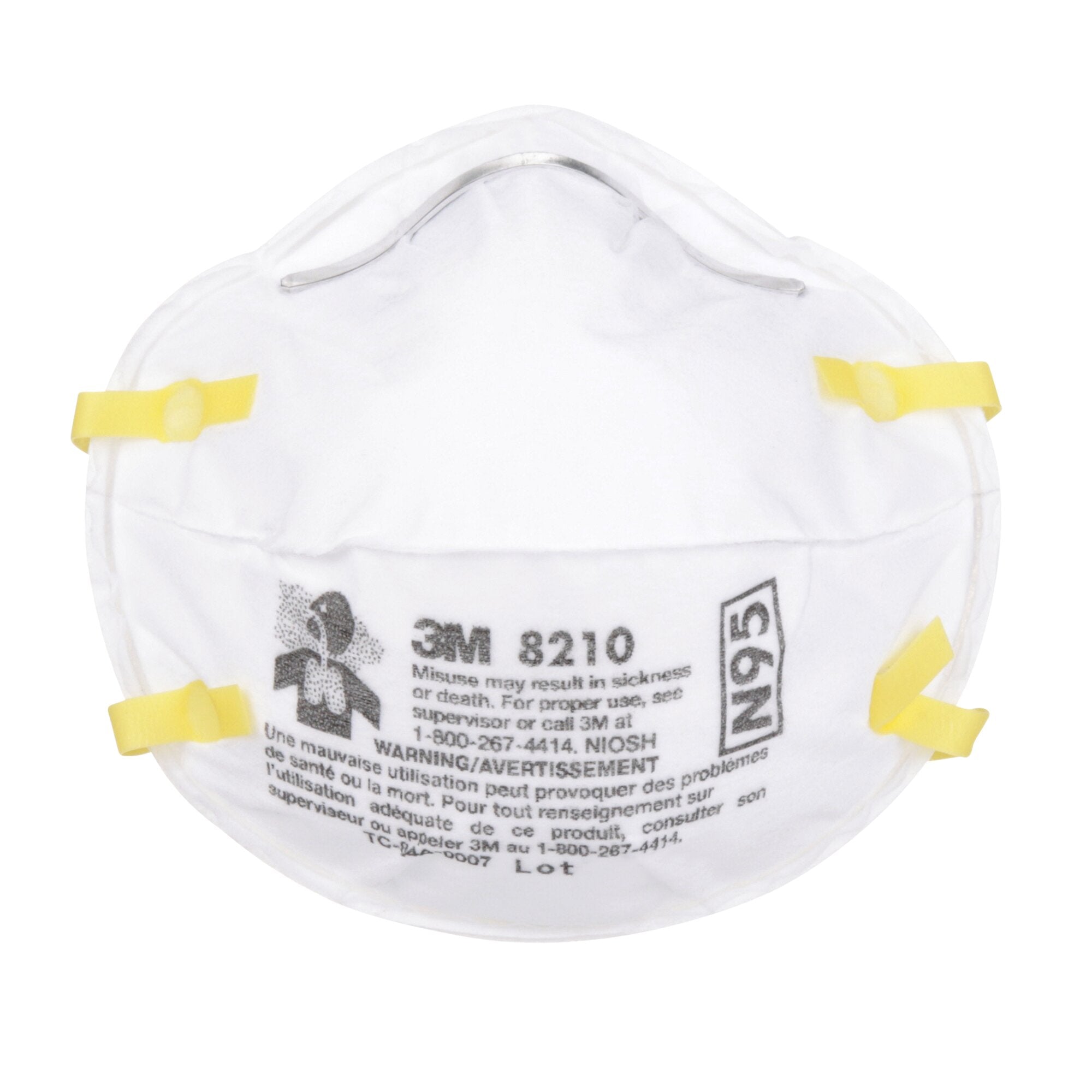
If you picture a traditional disposable N95, you're probably imagining something close to the 3M 8210.
3M specifically identifies sanding, sawing and woodworking among its intended uses for certain non-oil particles. The 8210 combines N95 filtration with advanced electrostatic filter media, cushioning nose foam, an adjustable nose clip and a lightweight cup style design.
For a hobbyist or professional performing conventional dusty woodworking where an N95 is appropriate, the 8210 is a logical starting point.
3M 8210V N95: Better for Hot Shops
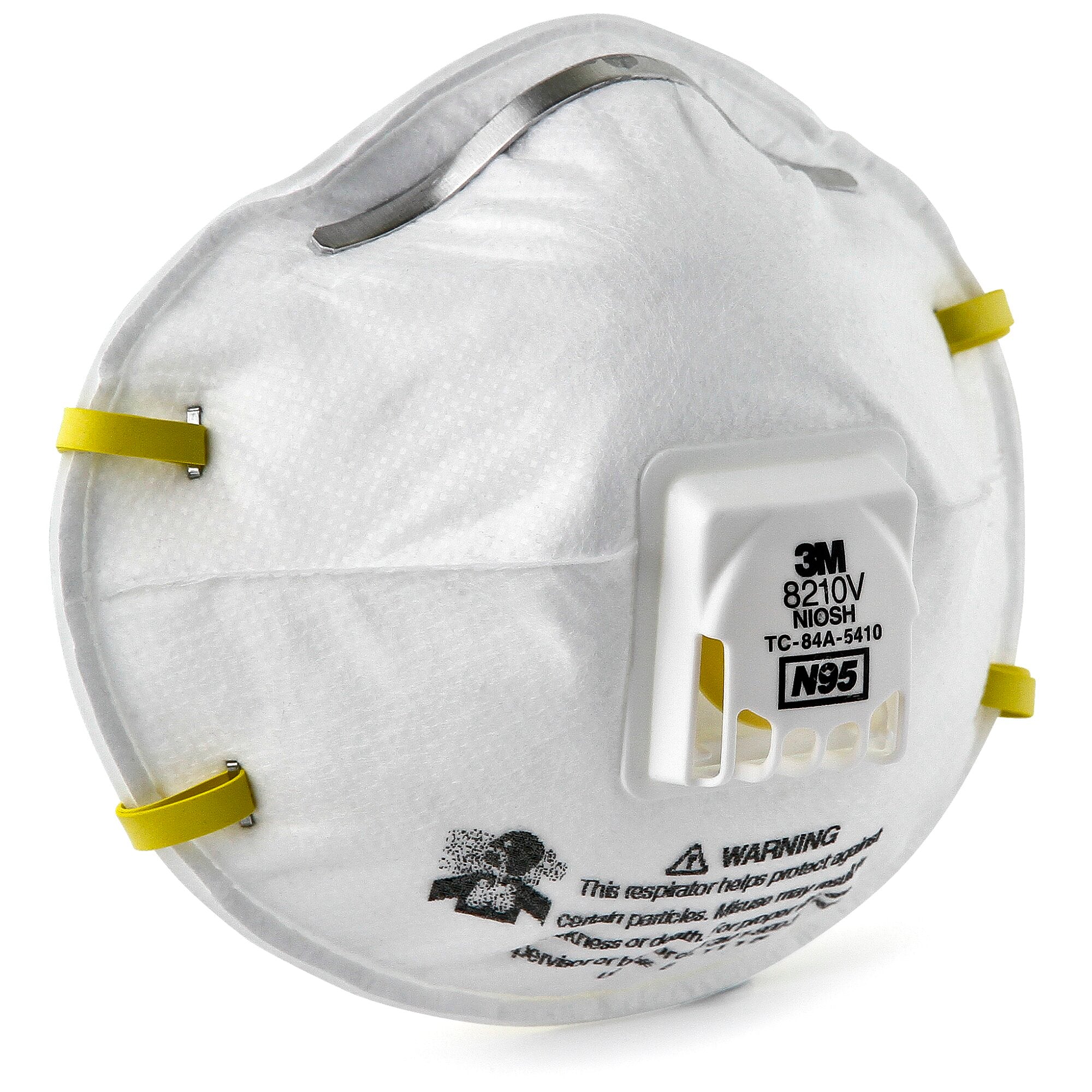
Take the basic idea of the 8210 and add an exhalation valve.
The 8210V uses the 3M Cool Flow Valve to help release warm and moist exhaled air. EIO describes the model as especially suited to hot, dusty environments or long periods of wear.
That can be attractive for:
- Non-air-conditioned shops
- Outdoor woodworking
- Long sanding sessions
- Physically demanding work
If you're trying to decide whether the valve is worth having, read our Valved vs. Non-Valved N95 Respirator Guide.
3M 8511 N95: A Strong Choice for Sanding

The 3M 8511 is another valved N95 intended for dusty applications.
3M lists sanding, sawing, woodworking and grinding among potential uses. The model incorporates advanced filter media, braided headbands, an M-noseclip and a Cool Flow exhalation valve.
For someone spending a large part of the day behind a random orbit sander, those comfort-oriented features can be meaningful.
3M VFlex 9105 N95: A Roomier Flat-Fold Design
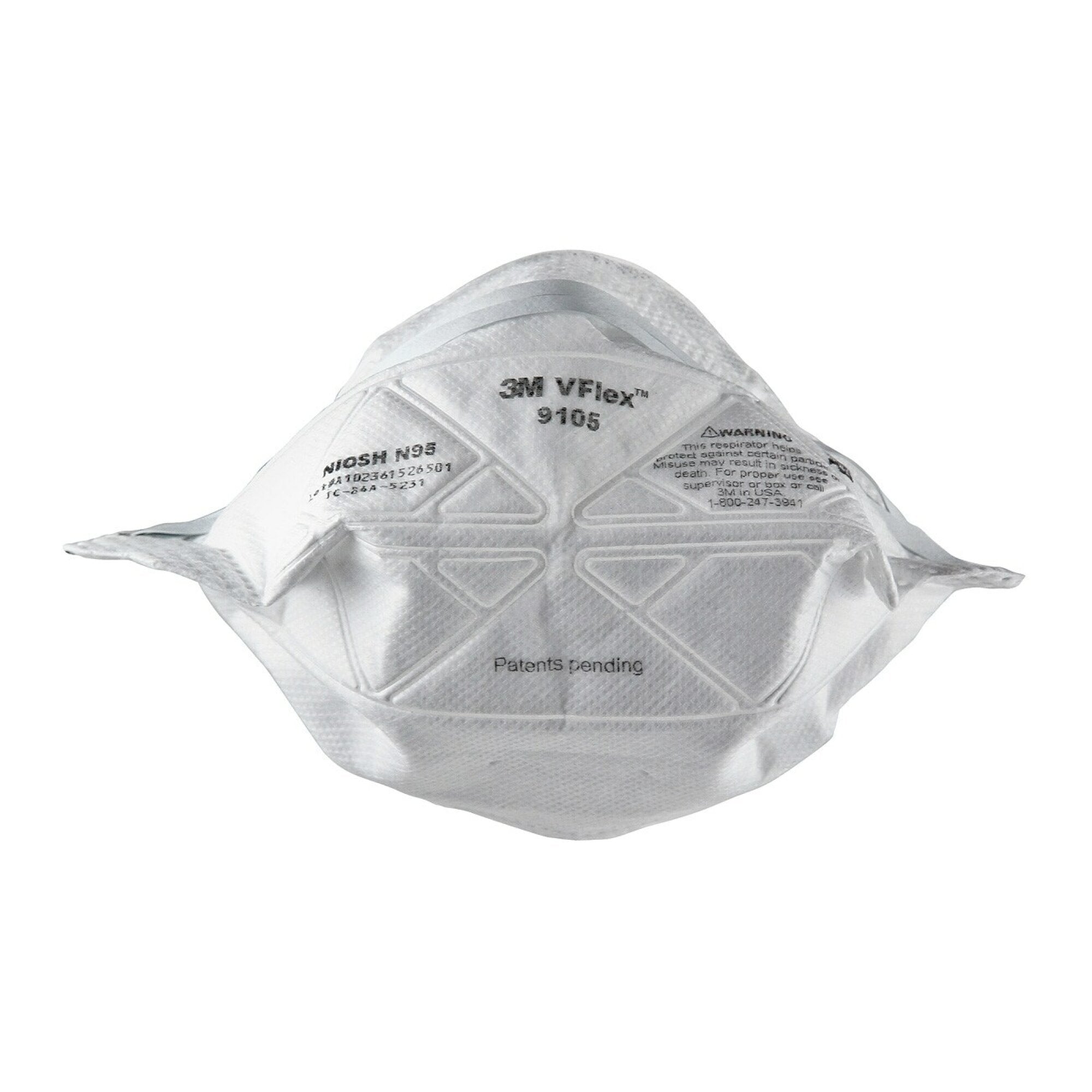
The VFlex takes a completely different approach.
Instead of a molded cup, the 9105 uses V-shaped pleats that expand during breathing and flex with mouth movement. EIO also lists a spacious interior and flat fold storage among its features.
That makes the VFlex particularly interesting for:
- Production woodworking
- Cabinet shops
- Furniture manufacturing
- Workers who talk frequently while wearing respirators
- Facilities purchasing respirators in larger quantities
The VFlex 9105S provides a small-size alternative, which can be useful in a respiratory protection program serving workers with different facial dimensions.
3M Aura 9211+ N95: Premium Comfort and Portability
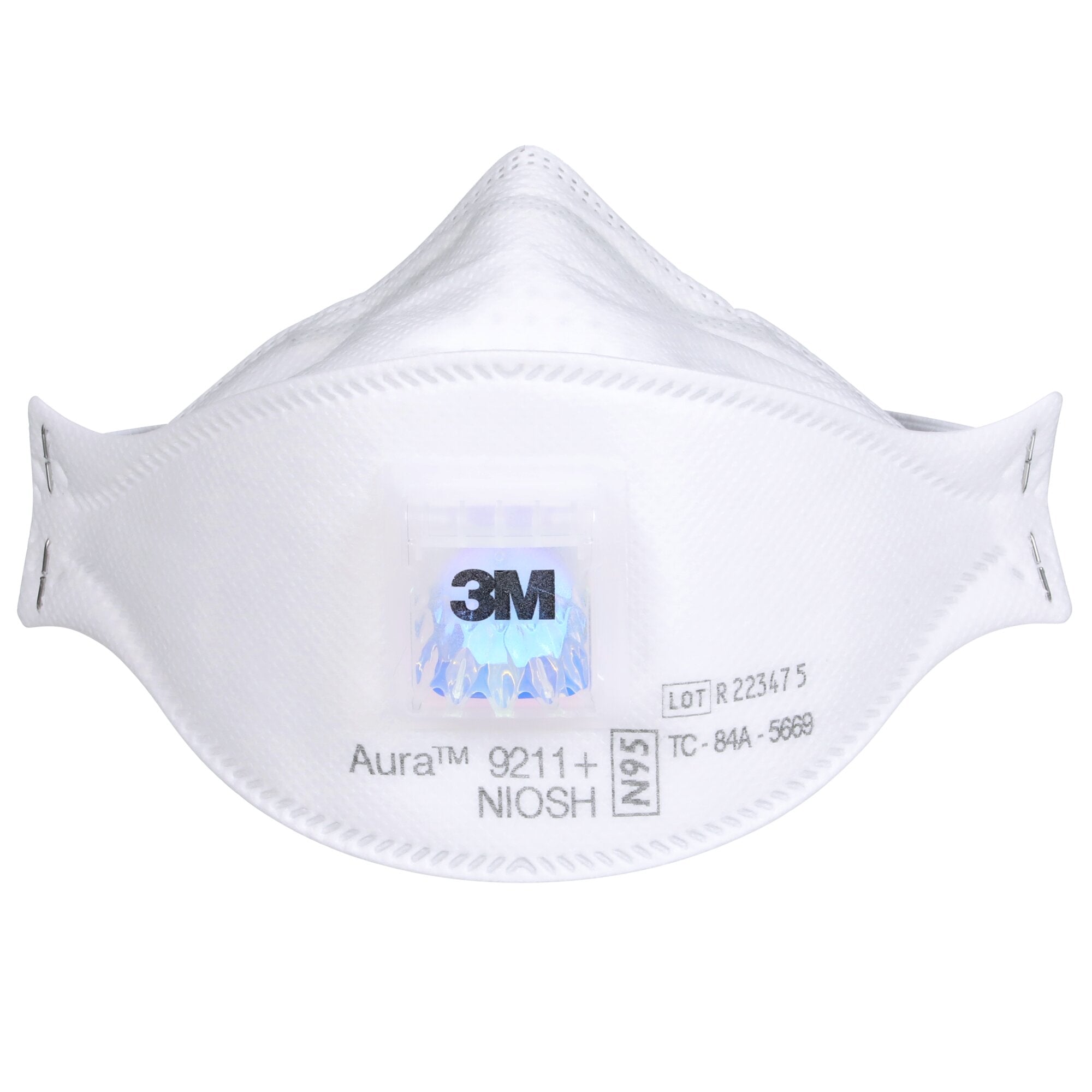
The Aura 9211+ combines a three-panel flat fold construction with a Cool Flow Comfort Valve.
The Aura family is designed to accommodate facial movement and provide room around protective eyewear, while the flat fold construction makes the respirator easy to store in a toolbox, cabinet, service vehicle or shop PPE station.
If you're comparing the Aura with VFlex for woodshop use, our 3M Aura vs. VFlex guide breaks down the differences in greater detail.
3M 8293 P100: Higher Particulate Filtration
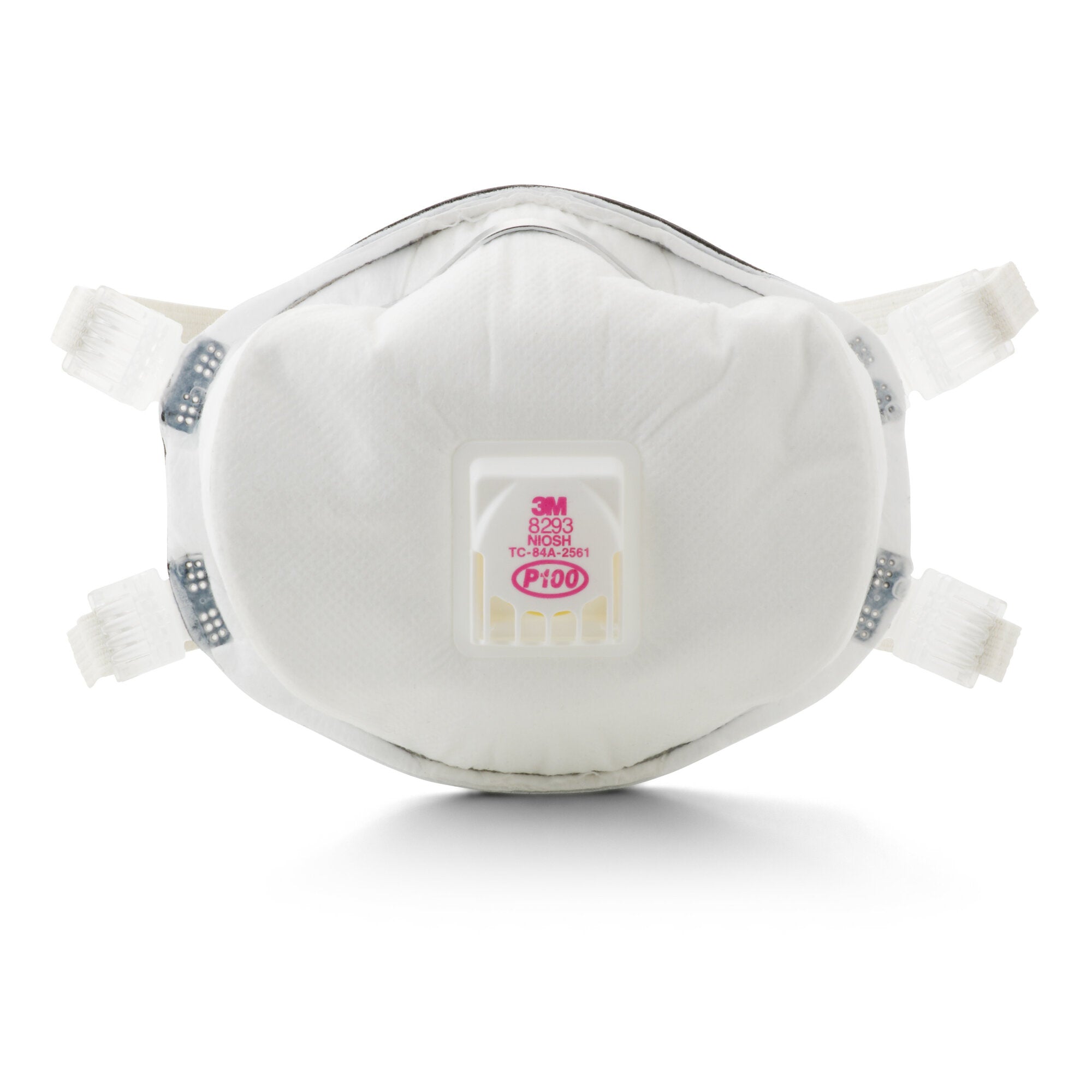
For applications where P100 filtration is appropriate, the 8293 is one of the more substantial disposable filtering facepieces in the 3M lineup.
It provides at least 99.97 percent filtration efficiency against certain oil and non-oil particles and includes:
- 3M Cool Flow Valve
- Foam faceseal
- Adjustable buckle straps
- Adjustable nose clip
- Individual packaging
EIO lists the model as a P100 respirator intended for maximum particulate filtration applications.
Again, P100 isn't automatically required simply because you're working with wood. It should be selected when the hazard assessment calls for that level and type of filtration.
Which Respirator Is Best for Different Woodworking Tasks?
Hand Sanding
For certain non-oil wood dust exposures, a properly fitted N95 such as the 3M 8210 may be adequate.
Hand sanding usually generates less dust than aggressive power sanding, but the amount depends on the material and duration.
Random Orbit and Belt Sanding
Power sanding can generate large quantities of fine dust.
Use effective extraction at the sander whenever possible.
A valved N95 such as the 8210V or 8511 may offer a comfort advantage during extended sanding sessions, provided an N95 is appropriate for the exposure.
Table Saw and Miter Saw Work
Sawing creates both larger chips and fine airborne particles.
Good blade guards and machine connected dust extraction can dramatically reduce what escapes into the shop.
For residual non-oil wood dust, an N95 may be appropriate based on the hazard assessment.
Routing and CNC Machining
High speed cutting can produce substantial fine particulate.
Because CNC machines may run for extended periods, properly designed extraction and enclosure can be especially important.
Workers entering areas with residual airborne dust may also require respiratory protection based on exposure conditions.
Wood Turning
Turning often produces visible chips, but sanding a workpiece on the lathe can generate considerable fine dust close to the worker's face.
Localized extraction combined with properly fitted respiratory protection may help reduce exposure.
Sweeping the Shop
One of the easiest ways to put settled dust back into the air is aggressive dry sweeping.
Where practical, use vacuuming or other housekeeping methods that reduce dust becoming airborne.
OSHA specifically emphasizes controlling wood dust at the source and through effective housekeeping.
What Is the Best Respirator for a Professional Cabinet Shop?

A commercial cabinet or furniture shop should approach respiratory protection as part of a larger exposure control program.
That means evaluating:
- Dust collection performance
- Machine enclosure
- Local exhaust ventilation
- Airborne exposure levels
- Wood species and engineered materials
- Adhesives and finishing chemicals
- Respirator selection
- Fit testing
- Medical evaluation
- Training
For facilities using disposable N95s, VFlex models can be attractive because of their bulk packaging, flat fold format and availability in standard and small sizes.
For workers who prefer a more premium individually packaged respirator, Aura models may be worth considering.
The final decision still comes down to the hazard and individual fit.
Fit Matters More Than the Logo on the Respirator
You can buy the highest rated respirator in the catalog and still get poor protection if contaminated air leaks around the edges.
Tight fitting respirators need to seal against the wearer's face.
Factors that can interfere with the seal include:
- Facial hair
- Incorrect size
- Poor nose clip adjustment
- Damaged straps
- Improper donning
- Eyewear or other PPE interfering with the sealing surface
Where occupational respirator use requires fit testing, the worker should be tested with the same make, model, style and size that will actually be worn.
This is why offering more than one respirator design can be valuable.
One worker may fit extremely well in an 8210. Another may do better in a VFlex, Aura or smaller size respirator.
What About Beards?
A beard can interfere with a tight-fitting respirator if hair passes between the face and sealing surface.
There isn't a special N95 that magically fixes that problem.
Where respiratory protection is required, the employer may need to evaluate other suitable respirator types for workers who cannot achieve a proper seal with a tight-fitting facepiece.
How Long Can You Use an N95 While Woodworking?
There is no universal eight-hour timer built into an N95.
Replacement depends on the respirator, exposure, dust loading, contamination, condition and workplace requirements.
Replace a disposable respirator when it becomes:
- Dirty
- Damaged
- Wet
- Contaminated
- Difficult to breathe through
- Unable to maintain an acceptable seal
A woodworking environment with heavy sanding dust may load a respirator faster than a relatively clean environment.
For a complete discussion of wear life, reuse, storage and shelf life, read How Long Does an N95 Respirator Last?.
Frequently Asked Questions About Woodworking Respirators
Is an N95 enough for woodworking?
An N95 may be appropriate for certain non-oil wood dust exposures when properly selected and fitted. The required level of protection depends on the material, airborne concentration, work process and workplace requirements.
Is N95 or P100 better for sanding wood?
P100 provides higher particulate filtration efficiency, but it is not automatically necessary for every sanding task. A properly fitted N95 may provide the required protection for certain non-oil wood dust exposures. Select the respirator based on the actual hazard assessment.
Does a respirator protect against sawdust?
A properly selected particulate respirator can help reduce exposure to certain airborne wood particles. Dust collection and local exhaust ventilation should also be used to control dust at its source.
Which 3M respirator is good for woodworking?
3M specifically identifies products such as the 8210 and 8511 for activities including sanding, sawing and woodworking. Aura and VFlex N95 models can also be considered for appropriate non-oil particulate exposures based on fit and workplace requirements.
Is the 3M 8210 good for sanding?
Yes, 3M lists sanding, sawing and woodworking among potential applications for the 8210 where an N95 is appropriate for the identified particulate exposure.
Is the 3M 8511 better for woodworking than the 8210?
Not necessarily better, but it adds comfort features including a Cool Flow exhalation valve and braided straps. A worker performing extended sanding in a hot shop may prefer those features.
Should I use a valved respirator for woodworking?
A valve may improve comfort by helping warm, moist exhaled air leave the respirator. It does not increase the N95 filter rating. See our valved vs. non-valved N95 guide.
Do I need a P100 for hardwood dust?
Not automatically. Hardwood dust can present significant health concerns, but respirator selection depends on airborne exposure and the required protection factor rather than the word "hardwood" alone.
Can an N95 protect me while staining wood?
An N95 protects against certain particles, not hazardous organic vapors. Sanding dust and solvent vapor are different hazards. Many stains, finishes and solvents require evaluation for gas and vapor protection.
Can I use an N95 while spraying lacquer?
Do not assume an N95 is sufficient. Spray finishing may involve both airborne particles and hazardous organic vapors. Consult the product Safety Data Sheet and select respiratory protection appropriate for the complete exposure.
Is MDF dust different from ordinary sawdust?
MDF can generate very fine particles and contains binders or resins in addition to wood fiber. The entire material and manufacturing chemistry should be considered during hazard assessment.
Can I wear a respirator with a beard?
Facial hair must not interfere with the sealing surface of a tight-fitting respirator. A beard that crosses the face seal can prevent the respirator from sealing correctly.
Do professional woodworkers need fit testing?
When workers are required to use tight-fitting respirators under OSHA's respiratory protection standard, the employer's program generally includes fit testing, medical evaluation, training and other requirements.
How often should I replace an N95 when sanding?
There is no single number of hours that applies to every situation. Replace the respirator when it becomes damaged, dirty, wet, difficult to breathe through, contaminated, or unable to maintain an acceptable seal, and follow the manufacturer's instructions and workplace program.
Shop 3M Respirators for Woodworking at EIO
There isn't one "best woodworking respirator" for every shop.
For ordinary non-oil wood dust where an N95 provides sufficient protection, the 3M 8210 is a proven general purpose starting point.
For warmer shops and longer sanding sessions, the valved 3M 8210V or 3M 8511 may provide additional comfort.
For workers who prefer a roomy flat fold respirator, the 3M VFlex 9105 is worth considering.
For premium flat fold features and a valve, consider the 3M Aura 9211+.
And where the hazard assessment calls for P100 particulate filtration, the 3M 8293 P100 offers 99.97 percent filtration efficiency with a face seal, adjustable straps and Cool Flow Valve.
Browse 3M respiratory protection products at EIO and continue exploring our respiratory protection Knowledge Center:
N95 vs. P95 vs. P100 Respirators: What’s the Difference?
The Complete Guide to 3M Disposable Respirators: Choosing the Right Protection for Your Job
3M Aura vs. VFlex: Which N95 Respirator Should You Choose?
How Long Does an N95 Respirator Last? When to Replace Your Respirator
Can You Reuse an N95 Respirator? Storage & Replacement Guide
Valved vs. Non-Valved N95 Respirators: Which Is Better?
Best Respirator for Woodworking: N95, P100, and 3M Options Explained
Best Respirator for Welding: 3M N95, P100, and Welding-Specific Options Explained
Best Respirator for Fiberglass Insulation: N95, N100 & P100
Respirator Safety Disclaimer
This article provides general educational information and is not a substitute for a workplace hazard assessment, exposure monitoring, Safety Data Sheets, manufacturer user instructions, professional safety advice, or an employer's respiratory protection program.
Respirator selection must consider the specific airborne contaminants, concentrations, materials, coatings, adhesives, treatments, work conditions, required protection factor, applicable regulations and manufacturer instructions.
Disposable particulate respirators do not provide oxygen and do not automatically protect against hazardous gases or vapors from stains, paints, lacquers, solvents, adhesives, treated wood or other chemicals.
Where respirator use is required in a U.S. workplace, follow applicable OSHA respiratory protection requirements, including medical evaluation, training, fit testing and proper use.