


 Respirable crystalline silica is one of the most significant airborne hazards encountered on construction sites. Whether you're cutting concrete, grinding masonry, drilling block, or demolishing old structures, many common building materials can release fine silica dust into the air.
Because these particles are extremely small, they can remain suspended long after visible dust has settled. Without proper controls, workers may inhale respirable silica, increasing the risk of serious long term health effects.
Choosing the right respirator is an important part of a comprehensive silica exposure control program... but it is only one part.
In this guide, we'll explain what silica dust is, when respiratory protection may be required, and which 3M disposable respirators are commonly considered for construction applications.
If you're new to respiratory protection, we recommend reading our Complete Guide to 3M Disposable Respirators. You can also learn more about filter classifications in our article on N95 vs. P95 vs. P100 Respirators.
What Is Respirable Crystalline Silica?

Crystalline silica is a naturally occurring mineral found in materials such as concrete, brick, mortar, stone, tile, rock, and engineered stone products.
When these materials are cut, drilled, ground, or demolished, they can release tiny airborne particles known as respirable crystalline silica. These particles are small enough to travel deep into the lungs.
Common silica generating tasks include:
- Concrete cutting
- Concrete grinding
- Core drilling
- Jackhammering
- Brick and block cutting
- Mortar removal
- Stone fabrication
- Tile cutting
- Demolition work
Why Is Silica Dust Dangerous?
Repeated exposure to respirable crystalline silica has been associated with serious occupational illnesses. Long-term overexposure may increase the risk of silicosis, chronic obstructive pulmonary disease (COPD), kidney disease, and lung cancer.
Because silica particles are often invisible to the naked eye, workers may not realize they are being exposed.
This is why controlling silica dust at its source is so important.
OSHA's Hierarchy of Controls
Respirators should not be viewed as the first line of defense.
OSHA encourages employers to reduce airborne silica using engineering controls and safe work practices before relying on respiratory protection.
Examples include:
- Wet cutting methods
- Integrated water delivery systems
- HEPA dust extraction systems
- Local exhaust ventilation
- Vacuum equipped grinders and saws
- Proper housekeeping practices
Respiratory protection becomes part of the solution when engineering controls alone cannot reduce exposures below applicable limits or when required by OSHA's silica standard.
Can You Use an N95 for Silica Dust?

This is one of the most common questions construction professionals ask.
The answer is: sometimes—but not always.
An N95 respirator may be appropriate for certain silica producing tasks when:
- The exposure assessment supports its use.
- The assigned protection factor is adequate.
- The respirator fits properly.
- Required engineering controls are in place.
- The employer's respiratory protection program permits its use.
Higher levels of respiratory protection may be necessary for some tasks, exposure durations, or airborne concentrations.
Respirator selection should always follow the applicable OSHA requirements and the manufacturer's instructions.
Popular 3M Respirators for Silica Dust Applications
3M 8210 N95
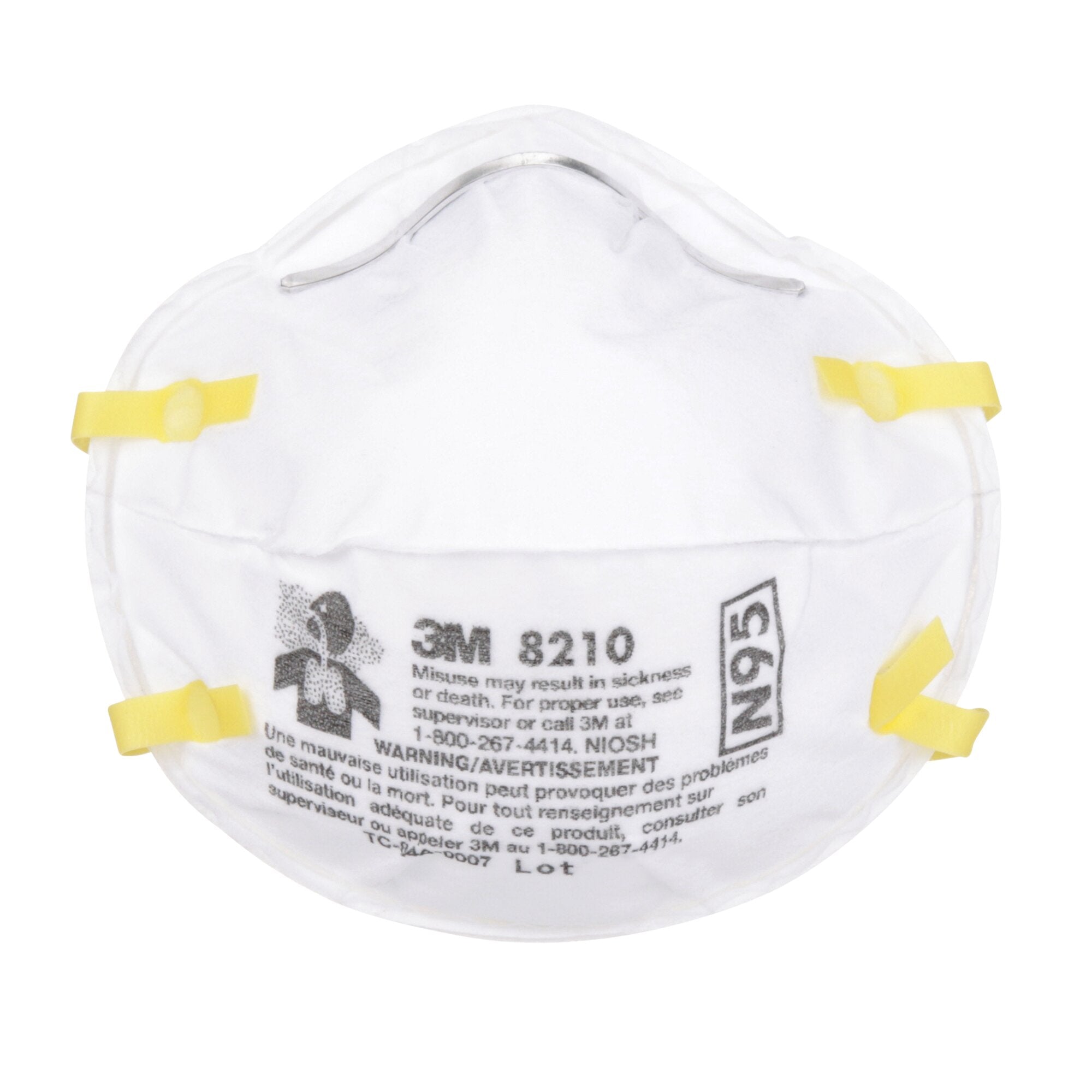
The 3M 8210 is one of the industry's best-known disposable particulate respirators. It is frequently used for dusty construction applications where an N95 is appropriate for the identified hazard.
3M 8210V N95
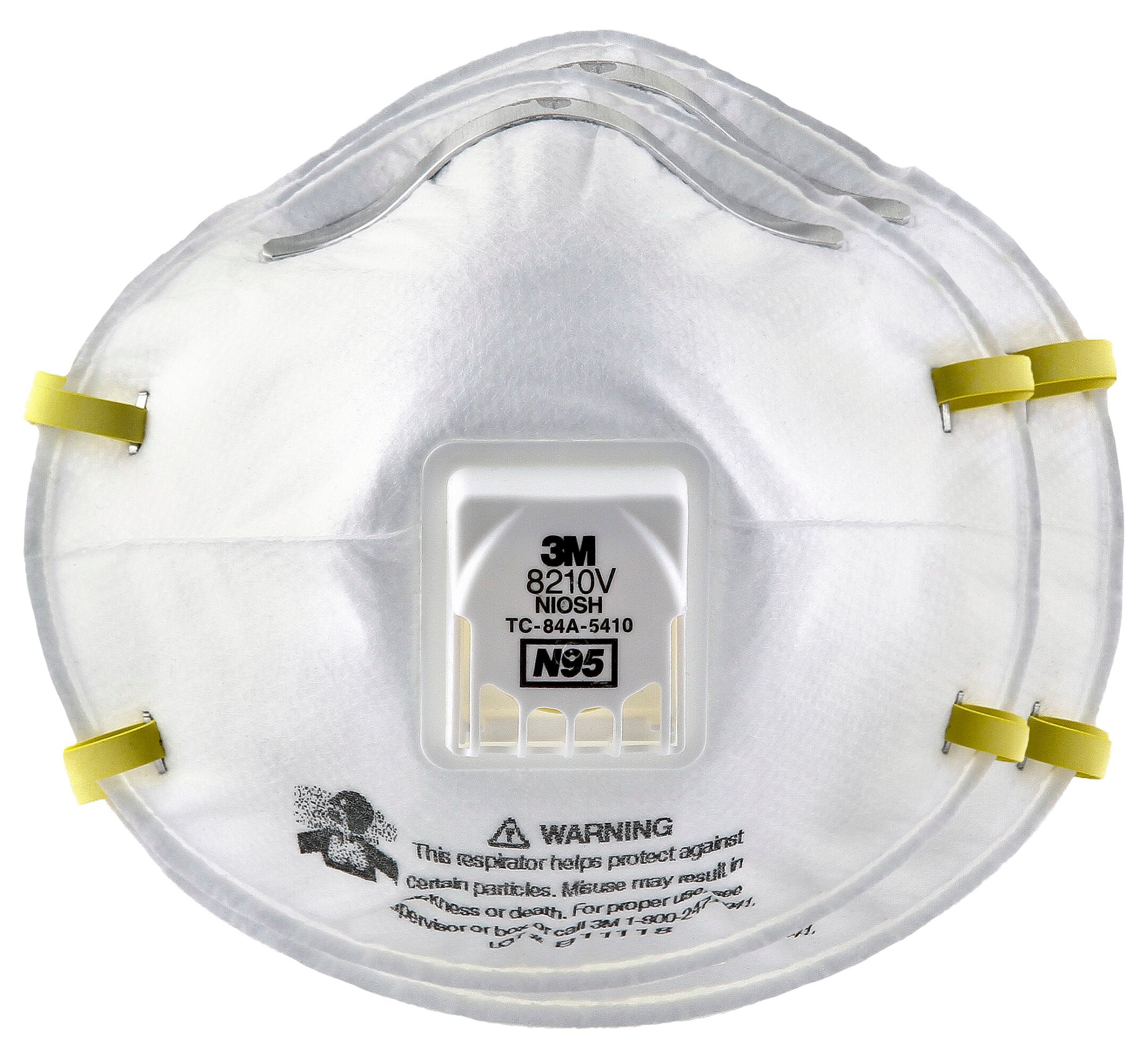
The 8210V adds a Cool Flow™ exhalation valve to improve comfort during physically demanding work in warm environments.
3M Aura™ Series
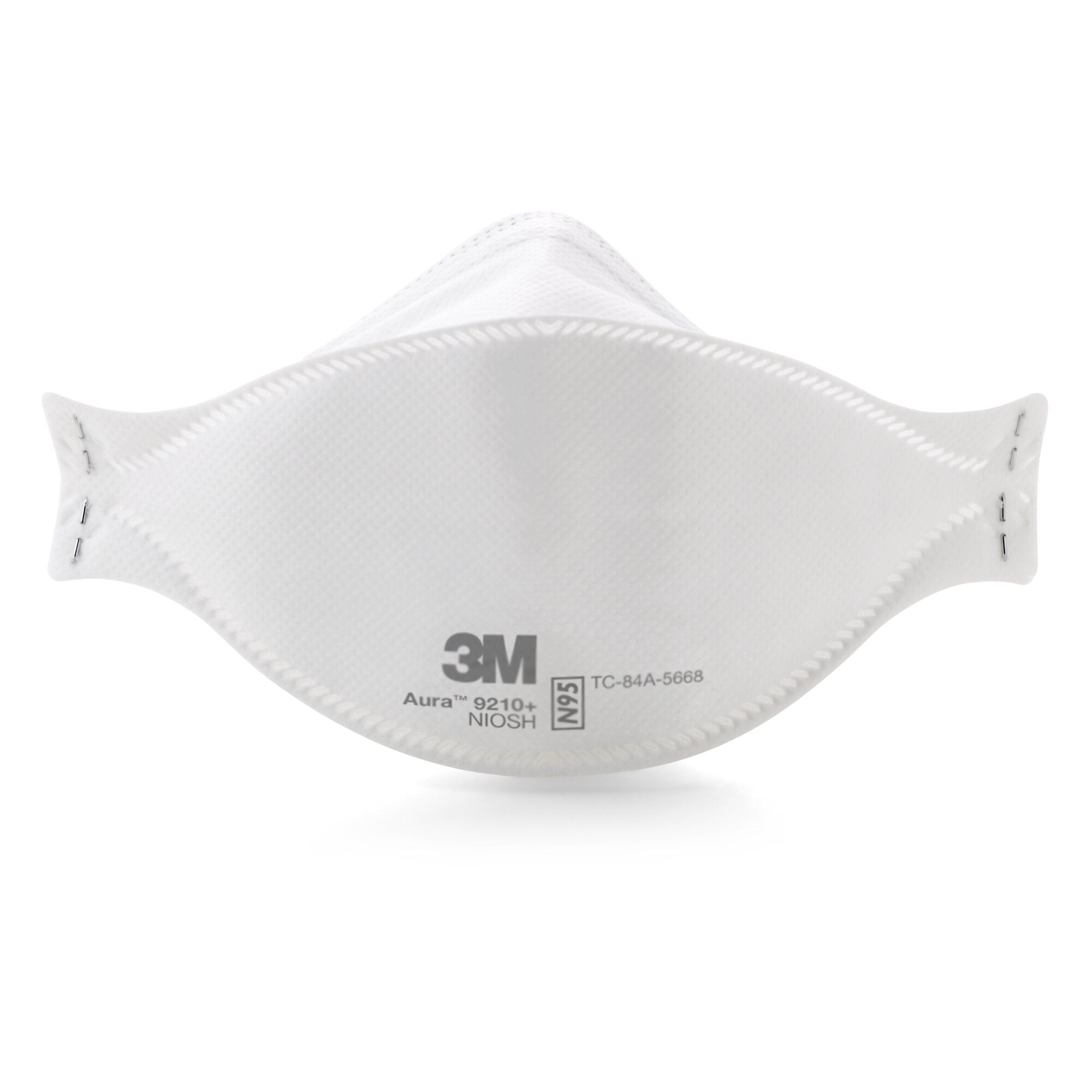
Many contractors prefer the Aura series because of its flat fold design, comfortable fit, and compact storage. Several Aura models are commonly used for construction and industrial particulate applications.
3M VFlex™ Series
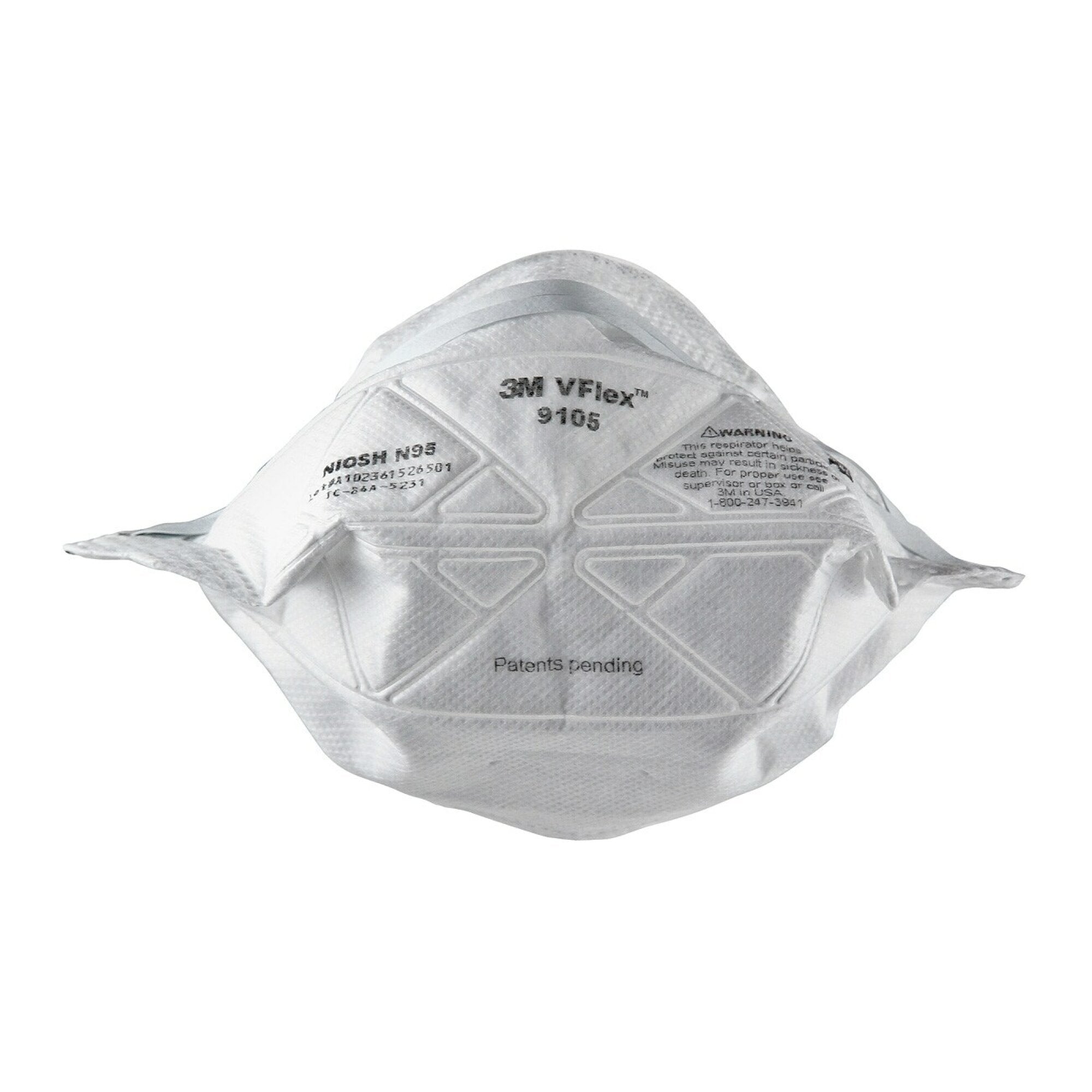
VFlex respirators feature expandable pleats that provide a roomy interior and flexible fit. They are another popular option for workers who wear disposable respirators throughout the day.
Disposable vs. Reusable Respirators for Silica

For occasional dusty work, a disposable respirator may be appropriate when selected for the exposure and used within a compliant respiratory protection program.
Workers performing frequent or prolonged silica generating tasks may benefit from reusable half mask respirators with replaceable filters, depending on the exposure assessment and workplace requirements.
Factors to consider include:
- Frequency of use
- Exposure level
- Comfort during long shifts
- Filter replacement costs
- Cleaning and maintenance requirements
Common Mistakes to Avoid
- Assuming every N95 is suitable for every silica exposure.
- Ignoring engineering controls.
- Using damaged or dirty respirators.
- Failing to perform a user seal check.
- Wearing facial hair that interferes with the face seal.
- Using a particulate respirator for gases or vapors.
Frequently Asked Questions
Is an N95 enough for concrete dust?
It depends on the task, exposure level, engineering controls, and OSHA requirements. An N95 may be appropriate for some situations, while others require a higher level of protection.
Does concrete always contain silica?
Many concrete and masonry products contain crystalline silica, but the amount varies depending on the material.
Should I wear a respirator while using a concrete saw?
Concrete saws can generate large amounts of respirable silica. Water suppression, dust extraction, and appropriate respiratory protection should be considered based on the equipment and work being performed.
Can I reuse my disposable respirator?
Follow the manufacturer's instructions and your employer's respiratory protection program. Replace the respirator if it becomes damaged, contaminated, wet, difficult to breathe through, or no longer seals properly.
Shop 3M Respirators at EIO
EIO offers a wide selection of genuine 3M disposable respirators for construction, concrete, masonry, and general industrial applications.
Browse our complete collection of 3M respiratory protection products to compare N95 respirators, Aura models, VFlex respirators, reusable respirators, filters, and additional respiratory safety equipment.
Continue exploring the EIO Respiratory Protection Knowledge Center:
N95 vs. P95 vs. P100 Respirators: What’s the Difference?
The Complete Guide to 3M Disposable Respirators: Choosing the Right Protection for Your Job
3M Aura vs. VFlex: Which N95 Respirator Should You Choose?
How Long Does an N95 Respirator Last? When to Replace Your Respirator
Can You Reuse an N95 Respirator? Storage & Replacement Guide
Valved vs. Non-Valved N95 Respirators: Which Is Better?
Best Respirator for Woodworking: N95, P100, and 3M Options Explained
Best Respirator for Welding: 3M N95, P100, and Welding-Specific Options Explained
Best Respirator for Fiberglass Insulation: N95, N100 & P100
Disclaimer
This article is intended for general educational purposes only and should not be considered legal, medical, or regulatory advice. Respirator selection should be based on a workplace hazard assessment, applicable OSHA requirements, manufacturer instructions, and a properly implemented respiratory protection program. Engineering controls should always be considered before relying on respiratory protection.